If speaking the truth could seriously harm a person’s family, while a lie could keep the family safe, is speaking the truth still the highest duty?
— RAJEEV KUMAR SINGH
THE GREAT
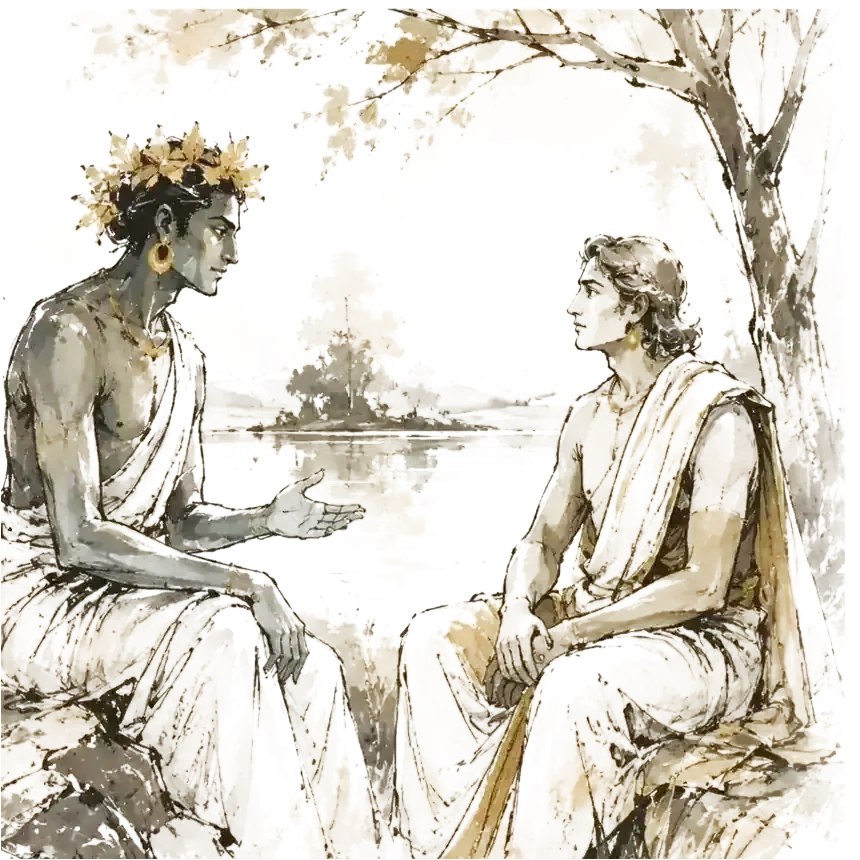
Ajgara, Pratapgarh, Uttar Pradesh is home to the pond that witnessed the legendary dialogue between Dharamraj Yudhishtir and Yaksh. A moment that continues to inspire reflection, wisdom and the spirit of dialogue. We will be witness to the same again.
EXPLORE THE LEGACY →Thirsty and grieving, Yudhishtir came upon the water after his brothers had fallen. Before he could drink, a mysterious Yaksh commanded him to answer his questions. What followed was no ordinary test: a dialogue on truth, duty, wisdom, life and the human condition—questions asked in a moment of trial, whose answers have travelled across centuries.
THE QUESTIONS OF YAKSH
Discover Yudhishtir's answer.
People reclaim their legacy and the questions return to every nook and corner of Pratapgarh.
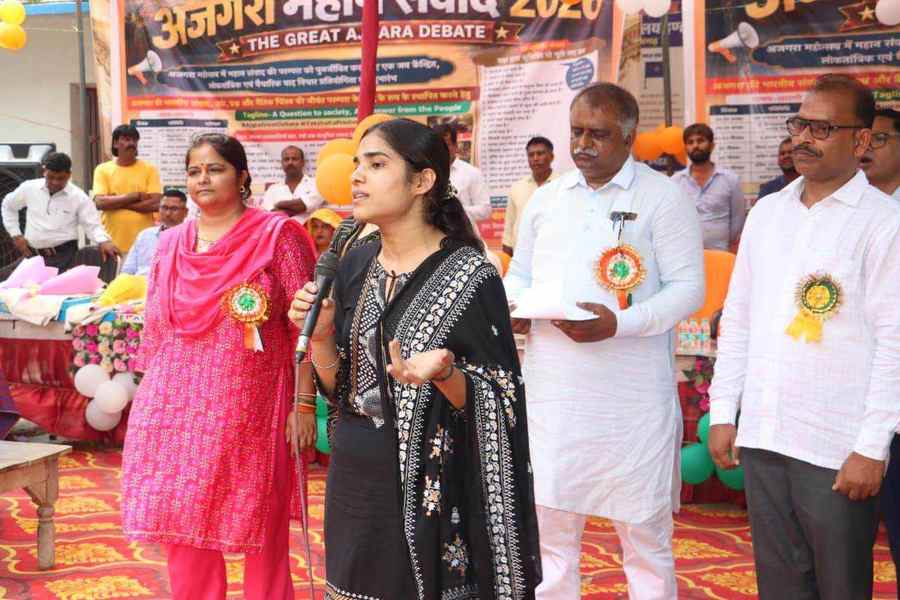
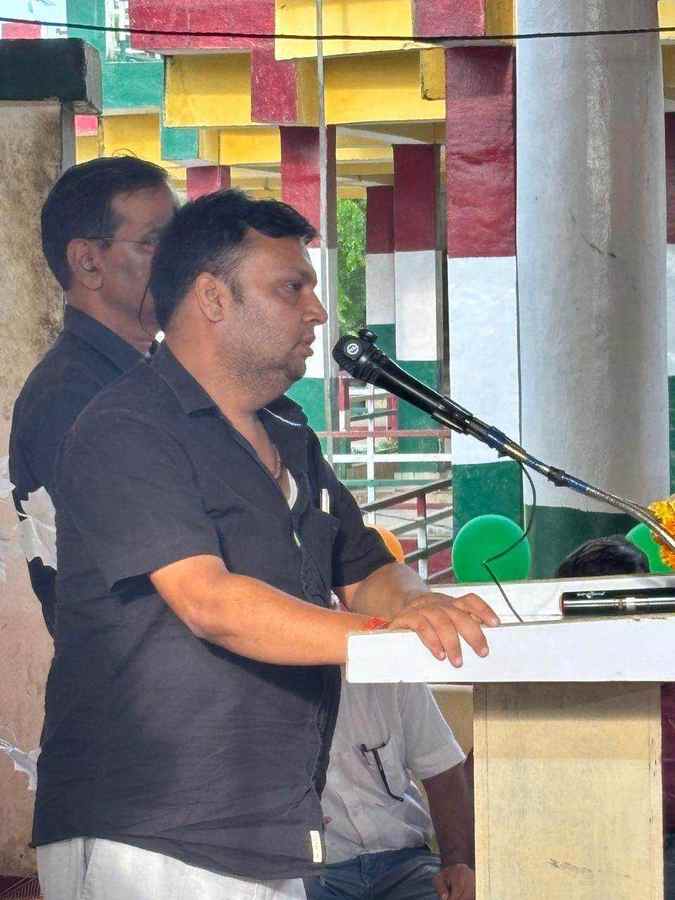
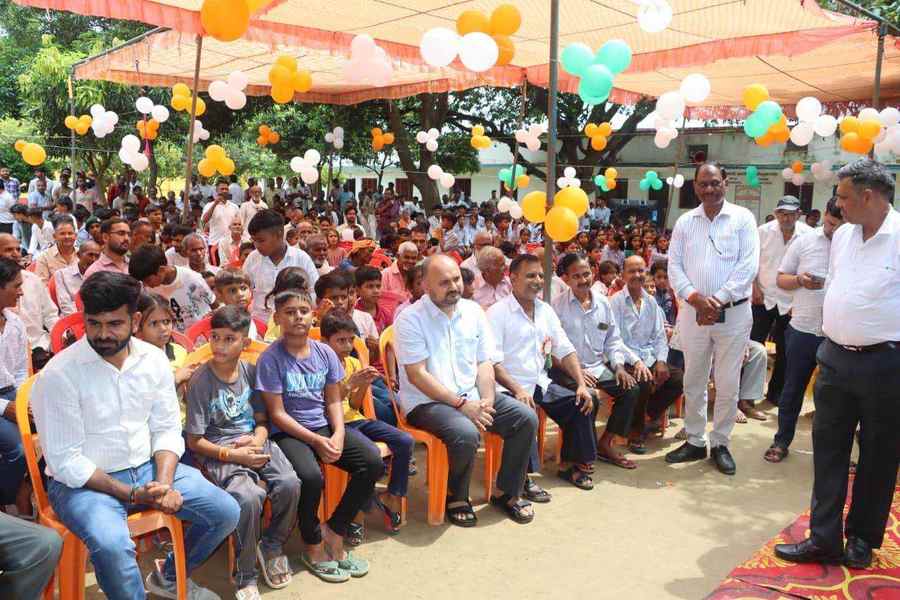
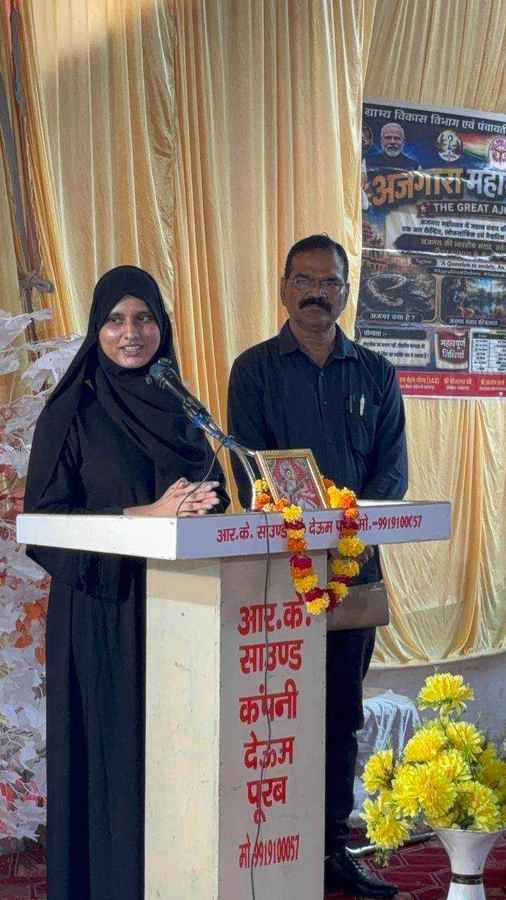
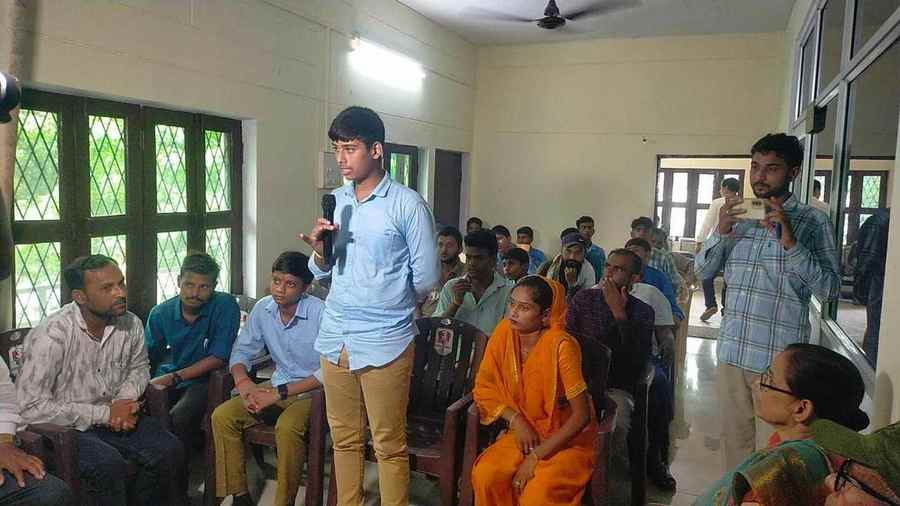
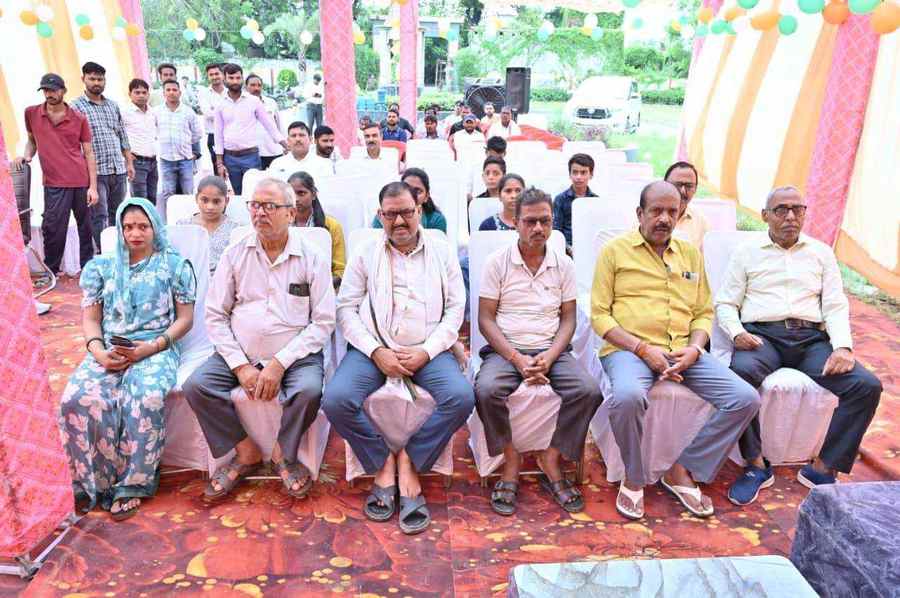
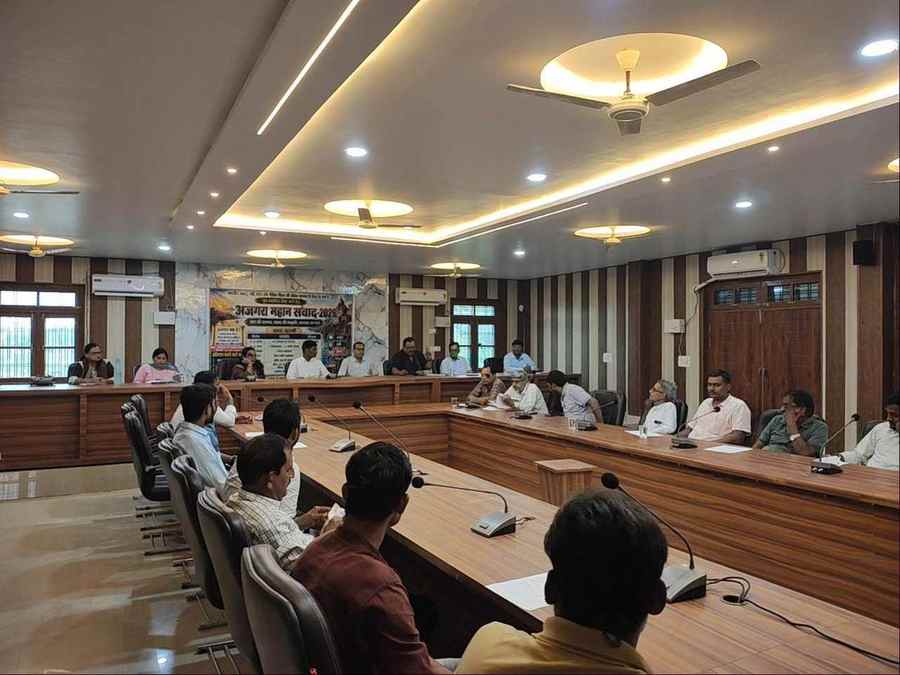
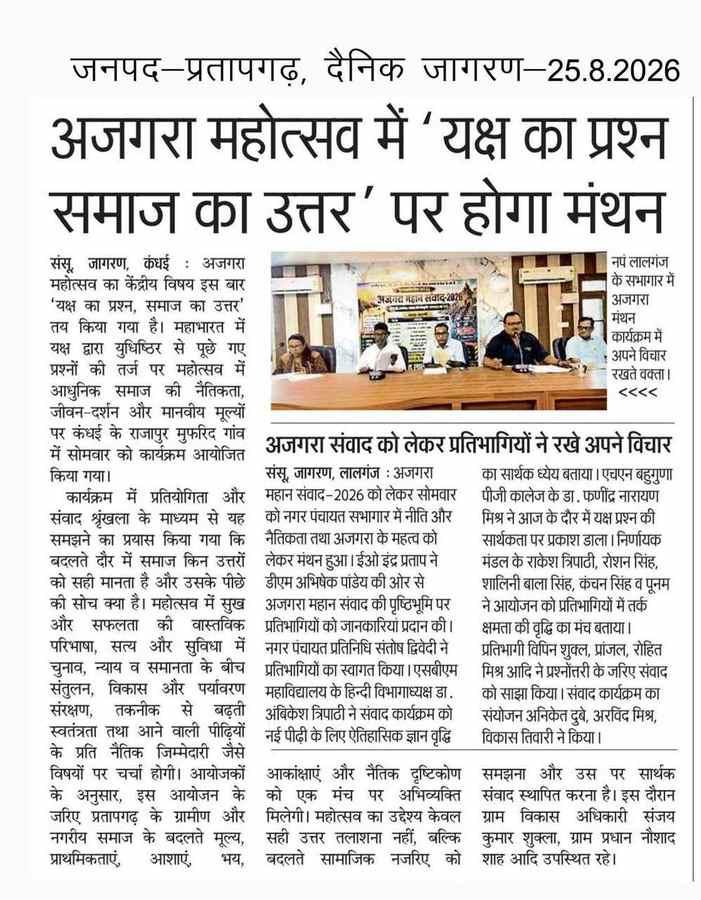
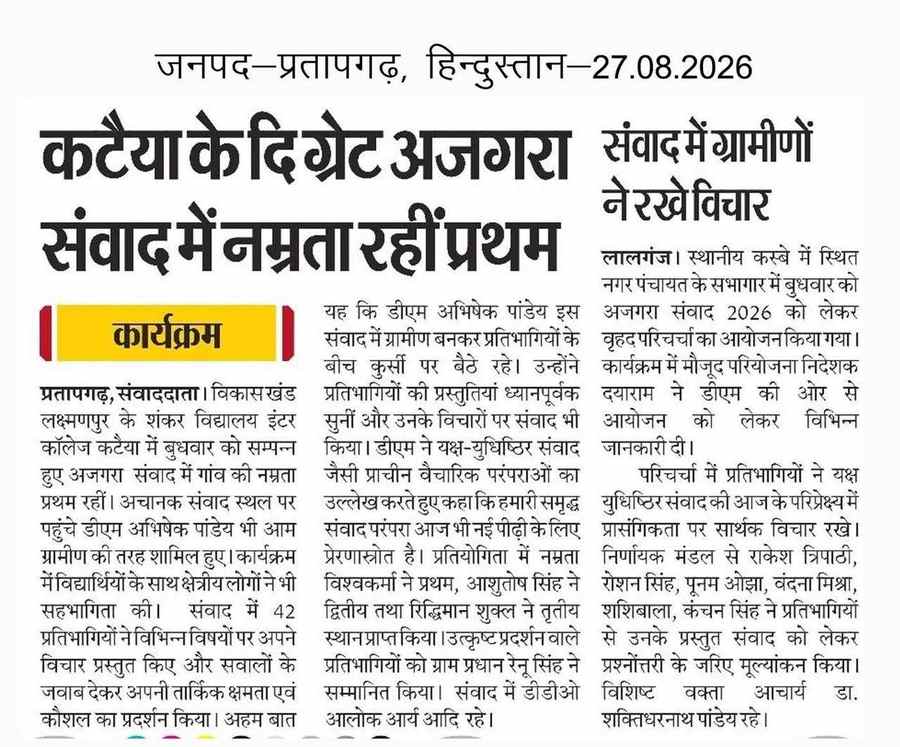
Across 1,148 Gram Panchayats and 279 wards, voices will rise. The conversation will travel through 17 blocks and 19 municipalities, across four zones, before reaching the district stage.
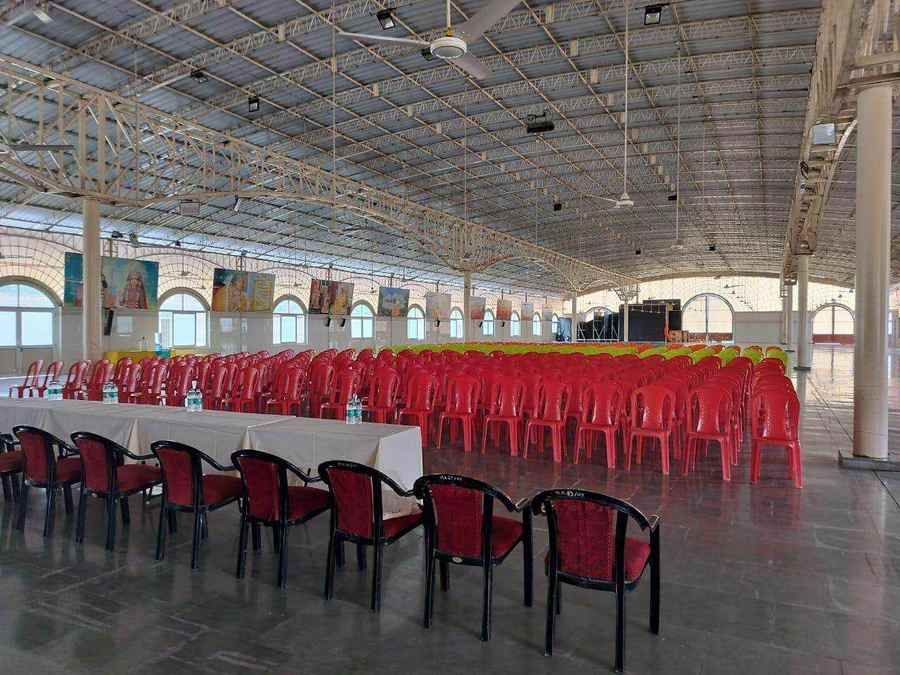
For an entire month, more than 1,500 debates will unfold. And from that extraordinary journey, eight voices will emerge. Then, on 17 September 2026, Ajgara will once again become the stage.
While the debates will eventually find the modern-age Yudhishtir, the questions belong to the Yaksh. At Ajgara, questions once became a way of testing truth, duty, wisdom and the human condition. Aaj Ka Yaksh brings that spirit into the present—by inviting people to ask the questions that matter to them.
SUBMIT YOUR YAKSH QUESTION→FROM AJGARA
Twenty-five questions selected from hundreds of submissions, arranged into five themes.
If speaking the truth could seriously harm a person’s family, while a lie could keep the family safe, is speaking the truth still the highest duty?
— RAJEEV KUMAR SINGH
Can an action be legal and yet unethical?
— ABHISHEK TIWARI
If telling the truth saves truth but breaks an innocent life, while a lie protects that life, what should guide us: fidelity to truth or compassion?
— SARIKA SHUKLA
Is the morality of a decision determined by its outcome, or by the judgment exercised with the information available at the time?
— RAJEEV KUMAR SINGH
When another person is acting unjustly, is forgiveness and patience always the right path, or can firmness against wrongdoing also become a duty?
— RAJEEV KUMAR SINGH
What is the difference between law and justice? When the law of a system stops delivering justice, what becomes the ordinary person’s highest duty?
— HEMANT HARRAIPATTI
Can true freedom be attained without infringing upon the freedom of others?
— RAJENDRA SINGH
If a decision produces a good outcome but the path to it was unjust, will history call it dharma or adharma?
— SARIKA SHUKLA
Karna is admired for his loyalty to Duryodhana, yet supporting wrongdoing can itself make one culpable. Can loyalty that stands against justice still be considered a virtue?
— PRABHAKAR SINGH
Is it possible to define development so that it reaches the last person in society without discrimination?
— SHASHANK PANDEY
What is the greatest victory: conquering the world, defeating others, or conquering oneself?
— ABHISHEK KUMAR PANDEY
If a person had to choose between happiness and success, which should they choose—and why?
— RAJEEV KUMAR SINGH
What is hardest for a human being: knowing the truth, accepting the truth, or living by the truth? If you could choose only one, which would it be and why?
— ABHI SINGH
If a person wants to change the world, have they first had the courage to change themselves?
— ABHISHEK YADAV
If you could change the past, but doing so meant losing the person you are today, would changing the past truly be an improvement?
— PRAVEEN SINGH
A scientific theory may succeed across thousands of experiments, yet scientists do not call it the final truth. Why does science remain cautious about certainty even after success?
— DEEPA SINGH
AI can answer a question even when humans lack sufficient means to verify it. Is trusting a highly intelligent source fundamentally different from blind faith?
— DEVESH SINGH
When algorithms and social media shape your thoughts, preferences and decisions, are you truly free—or a modern captive of an invisible cage?
— HEMANT HARRAIPATTI
What is the purpose of education? Is someone truly educated merely because they have found a job?
— ABHISHEK SINGH
Why do understanding, patience and contentment seem to diminish even as modern people gain more information, convenience and means of communication?
— SHIVENDRA PRATAP SINGH
If the Earth is our mother and we are her children, why do we continue to wrong the very mother who sustains our lives?
— AJAY KRANTIKARI
Is the conflict between environmental protection and economic development merely a policy issue, or a moral responsibility we owe to future generations?
— SHIVENDRA PRATAP SINGH
Can humanity stop the destruction caused by climate change without changing what it means by development?
— SHASHANK PANDEY
Is the present generation’s right to develop so great that it can endanger future generations’ right to a clean environment?
— SHIVANSH GUPTA
If you had ₹1 lakh, would you fund the immediate education of 10 poor children or invest it in a venture that might help 50 children in five years—and what if the venture failed?
— RAJEEV KUMAR SINGH
The questions travelled far.
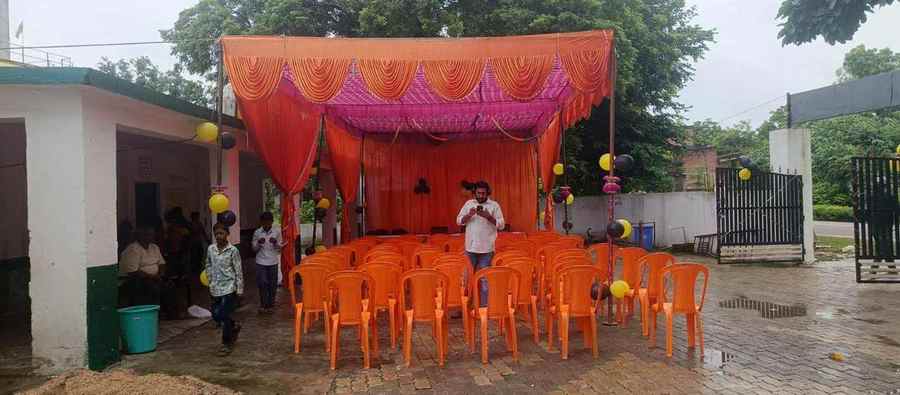
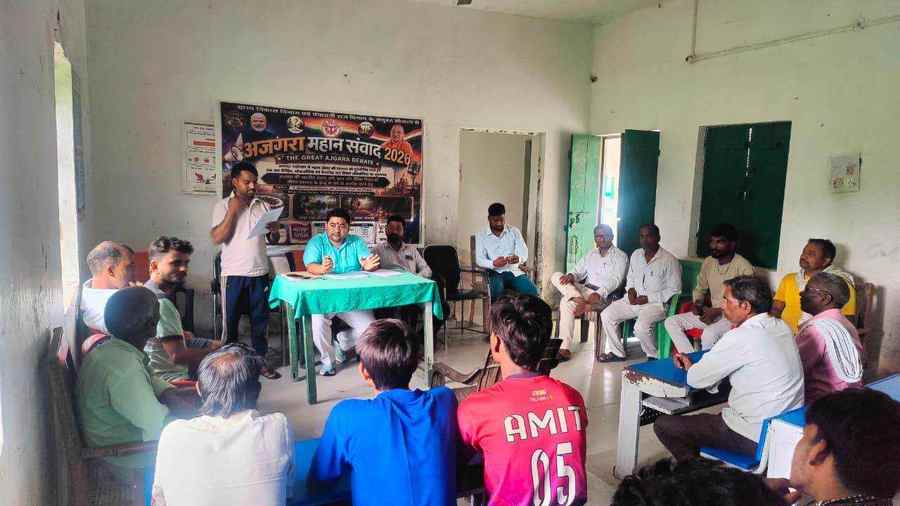
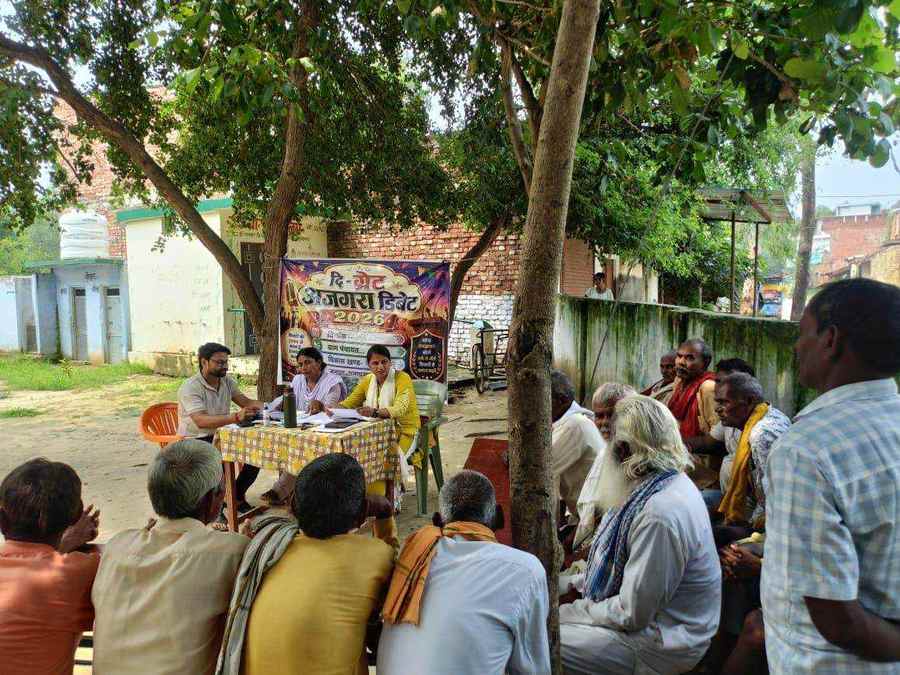
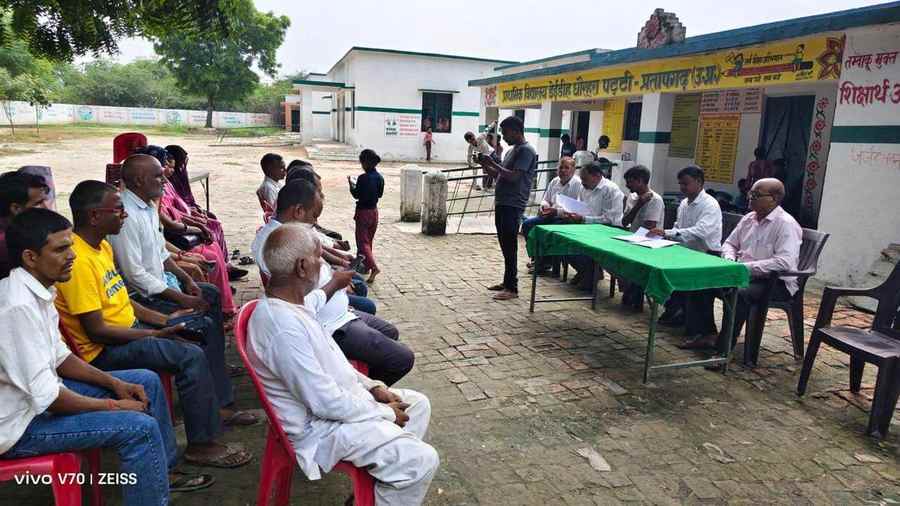
1,427→36→16→8
More than 1,500 debates. Thousands of people. One journey towards Ajgara.
THE QUESTIONS CONTINUE.
AJGARA · 17 SEPTEMBER 2026